Contents
Understanding how to effectively extract water can save you time, money, and headaches down the line. By following five essential steps, you can ensure a thorough remediation process. Let’s explore how evaluating the damage and gathering the right equipment sets the foundation for successful water extraction.
Key Takeaways
- Conduct a thorough assessment to identify the extent of water damage and the source of intrusion before starting extraction.
- Gather necessary equipment, including pumps, vacuums, and safety gear, to ensure effective water removal.
- Implement water extraction techniques using appropriate tools to efficiently remove water while prioritizing safety.
- Monitor moisture levels during extraction to prevent residual moisture and potential mold growth.
- Dry and dehumidify the area using fans and dehumidifiers to maintain optimal humidity levels below 60%.
Assessing the Water Damage
Evaluating water damage is essential for effective remediation. You’ll need to conduct a thorough water evaluation to determine the extent of the damage. Start by identifying the source of the water intrusion—whether it’s from a flood, plumbing issue, or another cause. This initial damage assessment helps you understand the type of water involved, which can greatly affect your remediation strategy.
Next, inspect affected areas for signs of moisture, mold growth, and structural damage. Use tools like moisture meters and thermal imaging cameras to gather precise data.
Document your findings meticulously, as this information will guide your recovery process and help you communicate effectively with insurance providers and restoration experts.
Gathering Necessary Equipment
Once you’ve assessed the water damage and identified the affected areas, it’s time to gather the necessary equipment for remediation.
Start by obtaining reliable water pumps that can efficiently remove large volumes of water quickly. These pumps are vital for tackling significant flooding and preventing further damage.
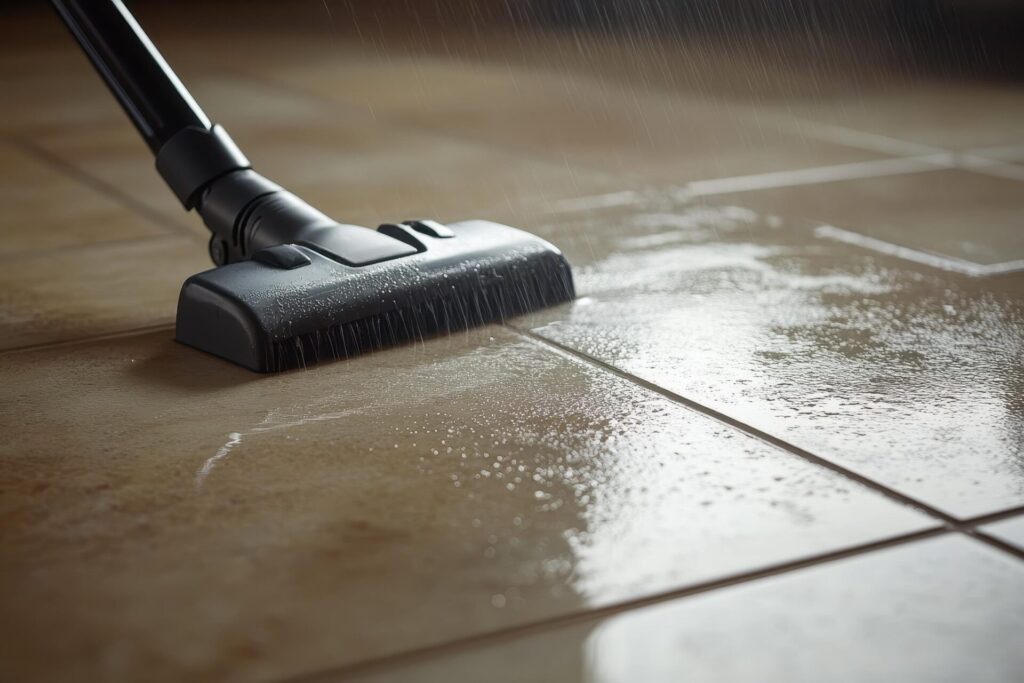
Next, you’ll need extraction vacuums, which are specifically designed to extract water from carpets, upholstery, and other surfaces. These vacuums are important for smaller areas where water pumps mightn’t be effective.
Make certain you also have a variety of hoses and attachments to reach all affected spots.
Don’t forget safety gear, like gloves and boots, to protect yourself during the extraction process.
Having the right tools on hand speeds up the remediation and ensures a thorough job, fostering a sense of community and support as you tackle the situation together.
Implementing Water Extraction Techniques
As you begin implementing water extraction techniques, it’s crucial to prioritize efficiency and effectiveness to minimize damage.
Utilizing advanced methods can notably speed up the extraction process while ensuring that safety precautions are in place.
Consider these key steps:
Assess the area: Identify the extent of water damage and potential hazards, such as electrical risks.
Choose the right equipment: Select pumps and vacuums designed for efficient water removal, minimizing residual moisture.
Monitor progress: Regularly check moisture levels to confirm thorough extraction and prevent mold growth.
Drying and Dehumidifying the Affected Area
Effective drying and dehumidifying of the affected area is essential to prevent further damage and mold growth. Start by ensuring proper air circulation; open windows and doors to promote ventilation.
Use fans and dehumidifiers to enhance moisture control, helping to remove dampness from the air. Position fans strategically to create a cross-breeze, which accelerates the drying process.
Check all surfaces, including walls, floors, and furniture, for residual moisture. Utilize moisture meters to assess the effectiveness of your drying efforts. You may need to focus on specific areas, like carpets or insulation, which can retain moisture.
Maintain the dehumidifier’s settings according to the humidity levels in your space, ideally keeping it below 60%. Regularly empty the water collection tank to ensure efficiency.
Preventing Future Water Damage
To ensure your home remains safe from future water damage, it’s essential to implement proactive measures that address potential vulnerabilities.
Focusing on effective waterproofing strategies and routine maintenance can greatly reduce your risk. Here are key actions you should take:
Inspect and repair gutters and downspouts regularly to ensure proper drainage away from your foundation.
Seal cracks and gaps in your home’s exterior, including windows and doors, to prevent water infiltration.
Install a sump pump in your basement to manage excess water during heavy rainfall.
Final Thoughts
By following these five essential steps, you can effectively tackle water extraction and protect your property from further damage. Think of each step as a vital link in a chain; if one link weakens, the entire structure is at risk. By evaluating damage, gathering necessary equipment, implementing effective techniques, thoroughly drying the area, and preventing future issues, you’re reacting to water damage and proactively safeguarding your space. Taking these measures now can save you time, money, and stress in the future.
Recent Posts
5 Best Structural Drying Techniques for Flood Recovery
Flood recovery isn’t just about drying out; it’s a complex science that can make or
Top Structural Drying Techniques for Flood Recovery
When faced with flood recovery, understanding top structural drying techniques is essential. Effective drying speeds
Top 5 Structural Drying Methods for Flood Damage
When dealing with flood damage, selecting the right structural drying method is essential for effective