
Contents
When faced with flood damage, it’s imperative to approach the situation systematically. First, you need to prioritize safety by evaluating potential hazards and equipping yourself with the necessary protective gear. Once you ensure a safe environment, you can begin gauging the extent of the damage. Documenting your findings is fundamental for insurance purposes. From here, you’ll need to move on to effective water extraction methods, which are essential for minimizing further damage.
Key Takeaways
- Evaluate safety first by checking for hazards and wearing protective gear before entering flood-affected areas.
- Document all damage with photographs for insurance claims and thorough restoration planning.
- Begin water extraction promptly using pumps and wet vacuums to minimize further damage.12
- Dry affected areas using industrial fans and dehumidifiers, monitoring moisture levels closely.
- Ensure complete dryness and address hidden moisture or mold before making repairs and implementing preventive measures.
Understanding Flood Damage
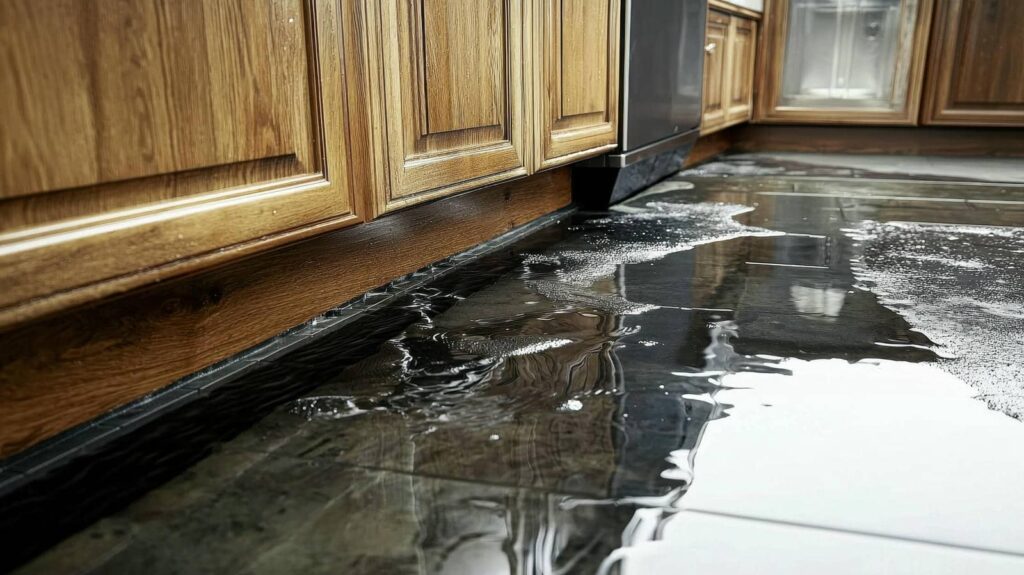
Flood damage can wreak havoc on homes and properties, often leading to significant structural and emotional consequences. Understanding the flood causes is essential in evaluating the extent of damage. Flooding can result from heavy rains, snowmelt, or broken levees, each presenting unique risks to your property.
Once the floodwaters recede, you’ll need to conduct a thorough damage evaluation. Start by checking for structural issues, such as cracks in walls or sagging ceilings, which indicate potential compromise.
Inspect electrical systems for water exposure, as this can lead to hazardous conditions. Document all damage with photographs for insurance claims and restoration purposes.
Don’t forget to evaluate personal belongings, as items can suffer irreparable damage. By understanding the flood causes and performing a meticulous damage evaluation, you’ll be better equipped to tackle the restoration process and rebuild your home with confidence.
Initial Safety Precautions
Before you begin any restoration efforts, it’s crucial to prioritize safety. Start by evaluating the environment for potential hazards, such as unstable structures, electrical risks, and contaminated water.
Wear protective gear, including gloves, boots, and masks, to ensure your personal safety during the process.
Next, gather necessary emergency supplies like flashlights, first aid kits, and bottled water. These items will keep you prepared for unexpected situations.
If flooding has compromised your power supply, avoid using electrical devices until a qualified electrician reviews the situation.
Always keep a communication device handy to contact emergency services if needed. If you’re unsure about a specific area, don’t hesitate to consult professionals.
Steps for Water Extraction
Begin the water extraction process as soon as it’s safe to do so, focusing on removing standing water to minimize damage. Start by gathering the necessary extraction equipment, such as pumps and wet vacuums. Make certain you have personal protective gear on before proceeding.
Here’s a quick overview of the steps involved in water removal:
| Step | Action | Equipment Needed |
|---|---|---|
| 1 | Assess the area for standing water | None |
| 2 | Set up extraction equipment | Pumps, wet vacuums |
| 3 | Begin water removal | Extraction equipment |
| 4 | Monitor for remaining moisture | Moisture meter |
| 5 | Document the process | Notepad/Camera |
Following these steps methodically ensures effective water extraction, greatly reducing potential damage and facilitating the next stages of restoration.
Structural Drying Techniques
Once you’ve completed the water extraction process, it’s vital to implement effective structural drying techniques to prevent further damage.
Start by evaluating the moisture levels in the affected areas using a moisture meter. This will guide your approach to moisture control.
Utilize drying equipment like industrial fans and dehumidifiers strategically throughout the space. Position the fans to create airflow across wet surfaces, promoting faster evaporation.
Dehumidifiers are essential for removing excess moisture from the air, especially in enclosed spaces. Monitor humidity levels regularly to ensure they drop below 60%.
Consider using heat sources, like portable heaters, to accelerate the drying process, but be cautious to avoid overheating.
Finally, keep windows and doors closed to maintain controlled conditions, enhancing the efficiency of your drying efforts.
Final Restoration and Prevention
As you approach the final restoration phase, it’s crucial to address any lingering issues to ensure a thorough recovery and prevent future problems.
Implementing effective restoration techniques and preventive measures can save you from future headaches.
Follow these steps for a successful conclusion to your flood damage restoration:
- Inspect Thoroughly: Check for hidden moisture or mold growth in walls, floors, and ceilings.
Verify all areas are completely dry before proceeding.
- Reinforce Structures: Use appropriate materials to repair damaged areas, making sure they’re resilient against future floods.
Consider waterproofing options for vulnerable spots.
- Install Preventive Systems: Consider sump pumps or drainage systems to divert potential flooding.
Regular maintenance on these systems will enhance their effectiveness.
Recap
You must prioritize safety, assess the damage, extract the water, and dry the structure. You’ll stand vigilant against hidden moisture, battle mold with diligence, and restore your space with care. By following these steps methodically, you reclaim your environment and safeguard it against future floods. Remember, each action taken today shields your tomorrow, ensuring that your home remains a sanctuary, resilient and prepared for whatever nature may bring.
Recent Posts
5 Best Structural Drying Techniques for Flood Recovery
Flood recovery isn’t just about drying out; it’s a complex science that can make or
Top Structural Drying Techniques for Flood Recovery
When faced with flood recovery, understanding top structural drying techniques is essential. Effective drying speeds
Top 5 Structural Drying Methods for Flood Damage
When dealing with flood damage, selecting the right structural drying method is essential for effective