Contents
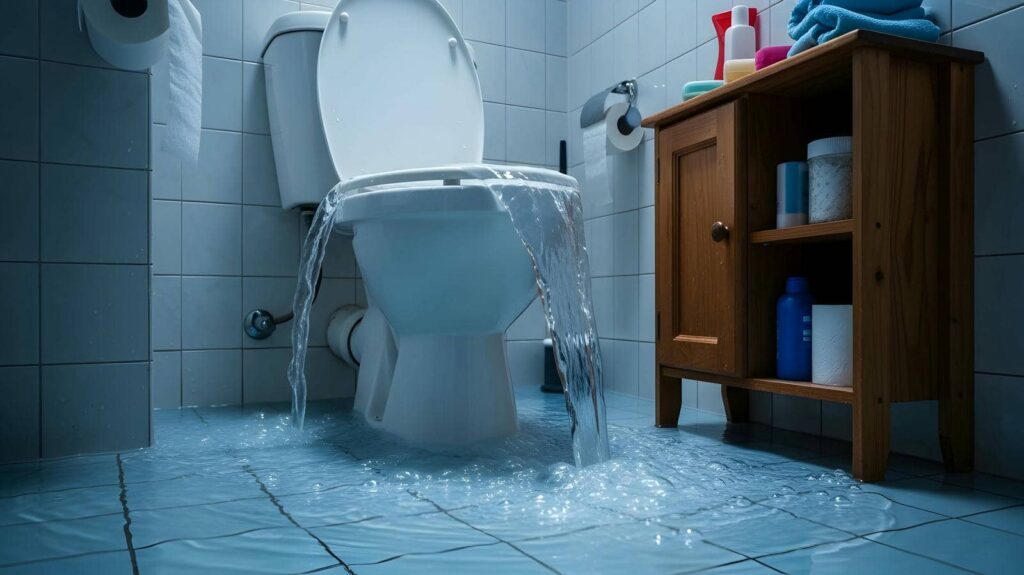
Floodwaters can leave behind more than just debris; they often carry hidden dangers that require immediate attention. When tackling sewage cleanup after a flood, your safety and health should be your top priority. Understanding the steps to effectively manage contaminated areas can prevent further complications. Let’s explore essential strategies to navigate this critical process and ensure your environment is safe and sanitary.
Key Takeaways
- Wear appropriate personal protective equipment (PPE) like gloves, masks, and rubber boots to ensure safety during cleanup.
- Remove and dispose of contaminated materials such as carpets and drywall following local waste management guidelines.
- Use pumps or wet vacuums to eliminate standing water before disinfecting surfaces with a bleach solution (1:10 ratio).
- Inspect and enhance drainage systems to prevent future flooding, including installing sump pumps or flood barriers.
- Document all damages thoroughly for insurance claims and consider hiring professionals for complex sewage cleanup tasks.
Assessing the Damage
When faced with a sewage backup, how do you begin to assess the damage? Start by examining the affected areas for visible signs of flood impact. Look for water stains, discoloration, and structural integrity issues. Document these observations thoroughly; this damage evaluation will guide your cleanup efforts and potential insurance claims.
Next, check for contaminated materials, such as carpets, drywall, and furnishings. If these items are saturated, they may pose health risks and likely need disposal. Make sure you identify the source of the sewage backup, as addressing this is vital for preventing future incidents.
Utilize moisture meters to determine hidden water damage in walls and floors, which can lead to mold growth if not addressed promptly.
Ensuring Safety Precautions
When handling sewage cleanup, it’s essential to wear appropriate personal protective equipment (PPE), including gloves, masks, and boots, to minimize exposure to harmful pathogens.
Additionally, make certain you dispose of hazardous materials safely, following local regulations to prevent environmental contamination.
Personal Protective Equipment
Personal protective equipment (PPE) is essential for anyone involved in sewage cleanup to minimize health risks. Following PPE guidelines helps ensure your safety and well-being during this challenging process.
Start with waterproof gloves to protect your hands from contaminants. Wear knee-high rubber boots to shield your feet from sewage and potential hazards. A sturdy mask or respirator is vital to filter out harmful airborne pathogens. Don’t forget protective eyewear to prevent splashes from damaging your vision.
Long-sleeved clothing can also offer an extra layer of defense against direct contact with sewage. By utilizing appropriate protective gear, you greatly reduce your risk of exposure and create a safer environment for both yourself and your community.
Stay safe and prepared!
Hazardous Material Disposal
Properly disposing of hazardous materials is essential to preventing health risks and environmental contamination during sewage cleanup.
Follow these guidelines to ensure you’re compliant with disposal regulations:
Identify hazardous waste: Determine which materials pose a risk, such as chemicals, batteries, or contaminated items.
Use appropriate containers: Store hazardous waste in clearly labeled, leak-proof containers to avoid spills and exposure.
Contact local authorities: Reach out to your local waste management facility to understand specific disposal regulations and options available in your area.
Removing Contaminated Materials
Once you’ve assessed the extent of the damage, it’s vital to remove contaminated materials promptly.
Ensure you follow proper disposal methods to prevent further contamination and health risks.
Always prioritize safety precautions during this process to protect yourself and others.
Assess Damage Extent
As you begin to assess the damage from sewage contamination, it’s essential to identify and remove any materials that have been affected to prevent further health risks.
Start with a thorough damage evaluation and extent analysis to ensure you’re addressing all contaminated areas.
Focus on these key materials:
Carpets and Rugs: These often absorb sewage and can’t be adequately cleaned.
Drywall and Insulation: These materials can harbor bacteria and should be replaced if contaminated.
Furniture: Upholstered items may also need disposal if they’ve been exposed.
Proper Disposal Methods
When dealing with contaminated materials, follow these three essential steps to ensure safe and efficient disposal.
First, segregate the contaminated items, like carpets and insulation, ensuring you wear protective gear.
Next, consult local waste management guidelines. Many municipalities have specific protocols for disposing of sewage-affected materials, which may include designated drop-off sites.
Finally, consider composting sewage only if it meets strict regulatory standards, as improper composting can pose health risks. Dispose of non-recyclable items in approved waste containers to prevent further contamination.
By adhering to these methods, you’ll contribute to a healthier community and protect the environment, ensuring everyone can enjoy a safe living space.
Your actions matter, and responsible disposal is key.
Safety Precautions Required
Removing contaminated materials requires strict adherence to safety precautions to protect yourself and others.
Flood risks bring significant health hazards, so it’s essential to follow these guidelines while cleaning up:
Wear protective gear: Use gloves, masks, and waterproof boots to minimize direct exposure to contaminants.
Ensure proper ventilation: Open windows and doors to improve air circulation, reducing inhalation of harmful particles.
Dispose of materials safely: Follow local regulations for disposing of items affected by sewage to prevent further contamination.
Cleaning and Disinfecting Affected Areas
To effectively clean and disinfect areas affected by sewage, it’s essential to act promptly to minimize health risks and prevent further contamination.
Start by confirming your safety gear is on, including gloves, masks, and goggles. Remove any standing water using pumps or wet vacuums.
Next, focus on disinfecting surfaces. Use a solution of water and a disinfectant, like bleach, at a ratio of 1:10. Scrub all contaminated surfaces thoroughly, making sure you reach crevices and seams.
For porous materials, consider discarding them if they can’t be adequately sanitized. Don’t forget to sanitize equipment used in the cleanup process; this includes mops, buckets, and tools.
After cleaning, allow surfaces to dry completely before reintroducing furniture or belongings. Regularly monitor for lingering odors or visible contamination to maintain a safe environment for everyone.
Proper Waste Disposal
While cleaning up sewage may be necessary, proper waste disposal is essential to ensure health and environmental safety.
When dealing with contaminated materials, it’s vital to follow effective disposal techniques. Here are some key points to take into account:
Segregate waste: Separate hazardous materials from non-hazardous ones to make certain they’re handled correctly.
Use designated containers: Store waste in appropriate, clearly labeled containers to prevent leaks and contamination.
Contact local authorities: Always check with your local waste management services for guidelines on proper disposal methods specific to your area.
Preventing Future Flood Damage
Effective waste disposal helps mitigate health risks, but preventing future flood damage is equally important in maintaining a safe environment.
Start by evaluating your property’s vulnerability to flooding. Installing flood barriers can provide immediate protection, redirecting water away from critical areas. Make sure these barriers are properly maintained and positioned to be effective during heavy rainfall.
Additionally, inspect your drainage systems. Confirm they’re clear of debris and functioning correctly. Regular inspections can help identify potential blockages or weaknesses that could exacerbate flooding.
Consider enhancing your drainage with sump pumps or rain gardens to improve water management.
Also, engage with your community about local flood prevention initiatives. Collaborating with neighbors can foster a collective approach to safeguarding your area.
Contacting Professionals
When dealing with sewage cleanup, contacting professionals is essential to ensure a thorough and safe resolution.
They possess the expertise and equipment necessary to handle hazardous materials effectively.
Here’s what you should do:
Gather emergency contacts: Compile a list of local restoration services specializing in sewage cleanup. Make sure to include their contact numbers for quick access.
Request service estimates: Before any work begins, ask for detailed estimates from multiple professionals. This helps you understand the costs and assures transparency.
Verify credentials: Ascertain that the companies you consider are licensed, insured, and have a good reputation in your community.
Insurance Claims and Assistance
How can you navigate the complexities of insurance claims after a sewage backup? First, review your insurance policy to understand your coverage. Identify if you have specific protection for sewage damage, as not all standard homeowners’ policies include it.
Next, document the damage thoroughly with photographs and detailed notes—this will support your claim. When you’re ready to file, follow the established filing procedures outlined by your insurance provider. Report the incident promptly, as there may be deadlines for claims submission.
Keep records of all communications you have with your insurer. If you encounter difficulties, don’t hesitate to seek assistance from a public adjuster or your local consumer protection agency. Remember, you’re not alone in this process; many have faced similar challenges and found support within their communities.
Stay proactive and informed to ensure you receive the assistance you deserve during this tough time.
Review
In the aftermath of flooding, timely sewage cleanup is essential for your safety and health. By following these steps—assessing damage, wearing protective gear, and properly disposing of waste—you can greatly reduce risks. Remember, it’s always wise to consult professionals for thorough restoration. Taking swift action protects your home and safeguards your well-being against potential health hazards.
Recent Posts
5 Best Structural Drying Techniques for Flood Recovery
Flood recovery isn’t just about drying out; it’s a complex science that can make or
Top Structural Drying Techniques for Flood Recovery
When faced with flood recovery, understanding top structural drying techniques is essential. Effective drying speeds
Top 5 Structural Drying Methods for Flood Damage
When dealing with flood damage, selecting the right structural drying method is essential for effective